
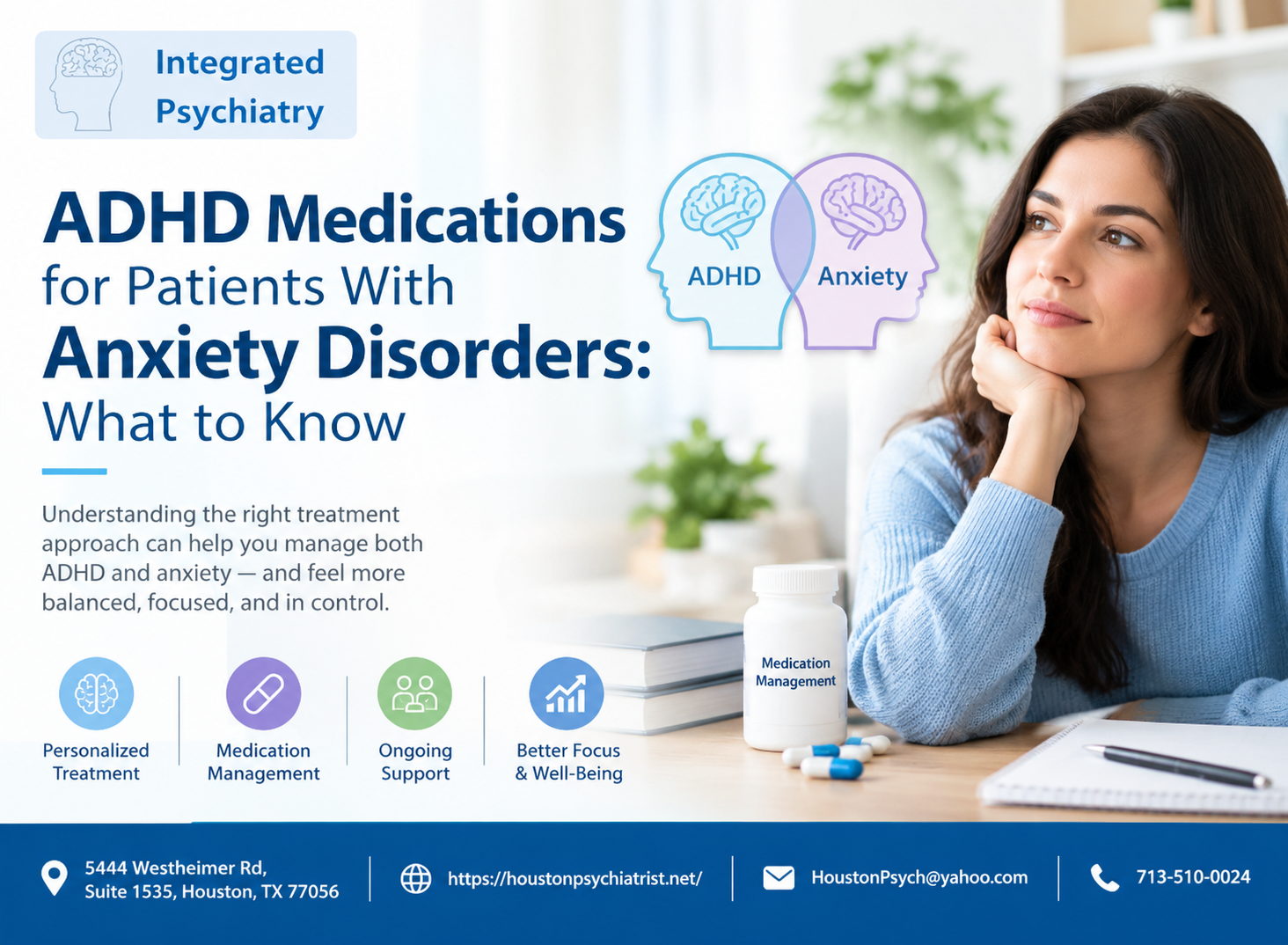
What happens when the medication that helps your ADHD seems to affect your anxiety, too? You might feel calmer because you are finally keeping up with work and responsibilities, or you might notice more nervousness, restlessness, or trouble sleeping.
When considering ADHD medication for anxiety, these changes are worth paying attention to because they can help your psychiatrist determine whether your treatment needs adjusting.
What Should You Notice After Starting ADHD Medication?
Medications for ADHD are meant to address problems with focus, impulsivity and disorganization or follow-through. When you begin treatment, your psychiatrist may ask if you are seeing improvements in concentration without feeling too activated or uncomfortable.
Your answer may provide useful information. You may find that it’s much easier for you to get things done and keep track of them. You can also experience changes in your appetite, sleep pattern, heartbeat, or physical steadiness.
Which Changes Are Worth Reporting?
There is a difference between adjusting to treatment and experiencing symptoms that interfere with your day.
Tell your psychiatrist if you develop noticeably increased nervousness, persistent restlessness, worsening panic symptoms, significant sleep problems, or other side effects that are difficult to manage.
Do not change the dose or stop prescribed medication on your own. Your psychiatrist can determine whether the symptoms are related to the medication, your underlying anxiety, another factor, or a combination of these.
Why Can Treatment Feel Different When You Have Anxiety?
Anxiety can already leave you feeling tense, alert, or physically restless. Some ADHD medications can also produce activating effects, particularly when treatment is first started or the dose changes. That can make it harder to tell whether a new sensation is part of your anxiety or a response to medication.
This is one reason treatment should be individualized. At Integrated Psychiatry, we look at the full picture rather than assuming the same approach will work for every person with ADHD and anxiety.
What If You Feel More Focused but Also More Anxious?
This situation can be confusing. You may be completing tasks more easily but feel more tense at the same time. That does not automatically mean the medication should be stopped.
Your psychiatrist may look at when the anxiety appears, how long it lasts, whether it follows a dose, and whether sleep or caffeine is contributing. The goal is to understand the overall response rather than judging the medication based on one symptom.
For some people, better control of ADHD symptoms can also reduce everyday stress. When missed deadlines, disorganization, forgetfulness, or difficulty getting started become easier to manage, some of the frustration surrounding them may decrease.
Can Your Treatment Be Adjusted?
If ADHD medication is helping your attention but causing troublesome anxiety, your psychiatrist has more options than simply continuing it unchanged or stopping it. Depending on your circumstances, they may review the dose, timing, medication choice, other prescriptions, sleep, caffeine, and other factors affecting your response.
This is especially important for ADHD medications for adults with anxiety, because adults may manage work demands and sleep difficulties.
What If You Already Take Anxiety Medication?
Taking medication for anxiety does not automatically mean ADHD medication cannot be considered. However, your psychiatrist needs to know about every prescription medication, over-the-counter product, and supplement you use.
ADHD and anxiety medication may sometimes be used as part of the same overall treatment plan, but the combination needs to be evaluated for the individual. Your symptoms, medical history, current medications, and response to treatment all matter.
What Else Can Affect Your Response?
Medications are only a part of the answer. Sleep deprivation may worsen the symptoms of both anxiety and attention. Over-consumption of caffeine can result in nervousness or insomnia. Other stress factors or medications might also influence symptoms.
Monitoring the frequency of occurrence of symptoms is helpful as well. You should write down the time when you took medications, the beginning of anxiety or restlessness, sleep patterns, and changes in symptoms throughout the day.
When Should You Contact Your Psychiatrist?
You need to contact your psychiatrist if you feel that your anxiety and panic attacks are worsening, you experience any side effects that affect your everyday functioning, or if there is no improvement in your ADHD symptoms.
If you are looking for ADHD treatment Houston TX, it is worth choosing a practice where your ADHD symptoms and anxiety can be discussed together rather than treated as unrelated concerns. At Integrated Psychiatry, we focus on understanding how treatment is affecting you over time and making decisions based on that response.
Finding the Right Approach
There is no single ADHD medication for anxiety that works the same way for everyone. The best ADHD medication to treat anxiety is dependent on your symptoms, your medical history, current medication, and your body’s reaction to medication.
If you are looking for an ADHD treatment center Houston patients can turn to for individualized care, a detailed evaluation can help clarify what is contributing to your symptoms and what treatment options may be appropriate.
Whether you are newly considering treatment or already taking medication, you do not have to figure out every change on your own. If you are exploring ADHD treatment with anxiety disorders, discussing what you are experiencing with a qualified psychiatrist is a practical place to start.
FAQs
1. Can ADHD medication temporarily increase anxiety?
It can happen in some people, particularly after starting treatment or changing a dose. Talk with your psychiatrist if the change is persistent or difficult to manage.
2. Can better ADHD control reduce stress?
In some cases, an increase in concentration and organization skills can help decrease daily stress caused by pending work, missed deadlines, or forgetfulness.
3. Should I stop medication if I feel more anxious?
Do not stop or change prescribed medication without speaking with your prescriber. They can help determine what is causing the change and whether an adjustment is appropriate.
4. Can caffeine affect how ADHD medication feels?
Sometimes caffeine makes people experience emotions such as being nervous or restless, or experiencing a racing heart. If one experiences these emotions after taking medication, they should talk to their psychiatrist about the caffeine intake.