
Panic Disorder Treatment Houston
The Danger Isn’t Real. The Fear Is.
Treatment that breaks the cycle, not just the symptoms

You've Probably Already Had This Checked Out
A racing heart, chest tightness, trouble breathing, dizziness- these feel like a medical emergency, so a lot of people end up in urgent care or an ER before they ever talk to a psychiatrist.
If your tests came back clear and nothing explains what happened to you, that’s a common pattern with panic disorder, not a dead end. At Integrated Psychiatry, we see this often- your body reacted as if it were in real danger, even though it wasn’t.
Why the Fear Sticks Around After the Attack Ends
A panic attack itself usually passes within minutes. What often doesn’t pass is the fear of having another one- and that fear can end up causing almost as much disruption as the attacks themselves.
This creates a loop: you have an attack, you become afraid of it happening again, that fear keeps your body on edge, and being on edge makes another attack more likely. Over time, a lot of people start avoiding anything that might trigger it.
Breaking that loop, not just managing one bad episode, is the real goal of panic disorder treatment in Houston, TX.
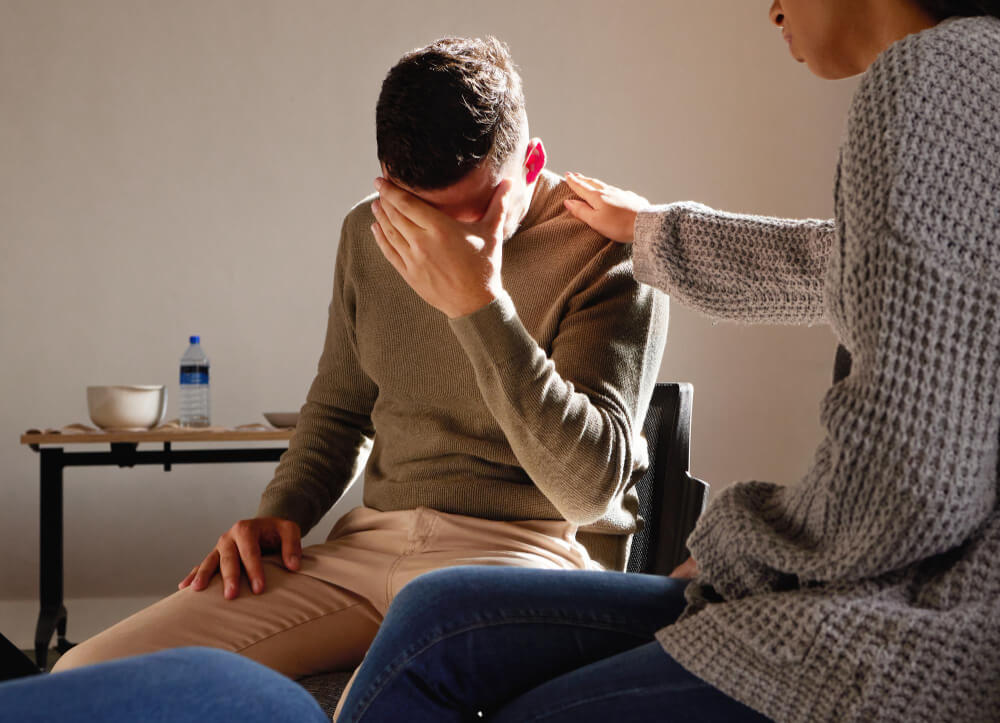
You Don't Have to Wait for a "Bad Enough"
If panic is already shaping your decisions- what you avoid, where you go, what you plan around- that’s reason enough to get evaluated, regardless of how severe any single attack has been.

How "Just to Be Safe" Turns Into a Smaller Life
Avoidance with panic disorder rarely happens all at once. It usually starts small- skipping one highway exit because you had an attack there once, leaving a crowded store a little early, sitting near the door at a restaurant just in case.
Each of these feels reasonable on its own. But avoidance has a way of expanding. The highway exit becomes the whole highway. The early exit from the store becomes skipping the store altogether. Eventually, the safe zone can shrink down to just home.
Catching this pattern early makes it far easier to reverse.
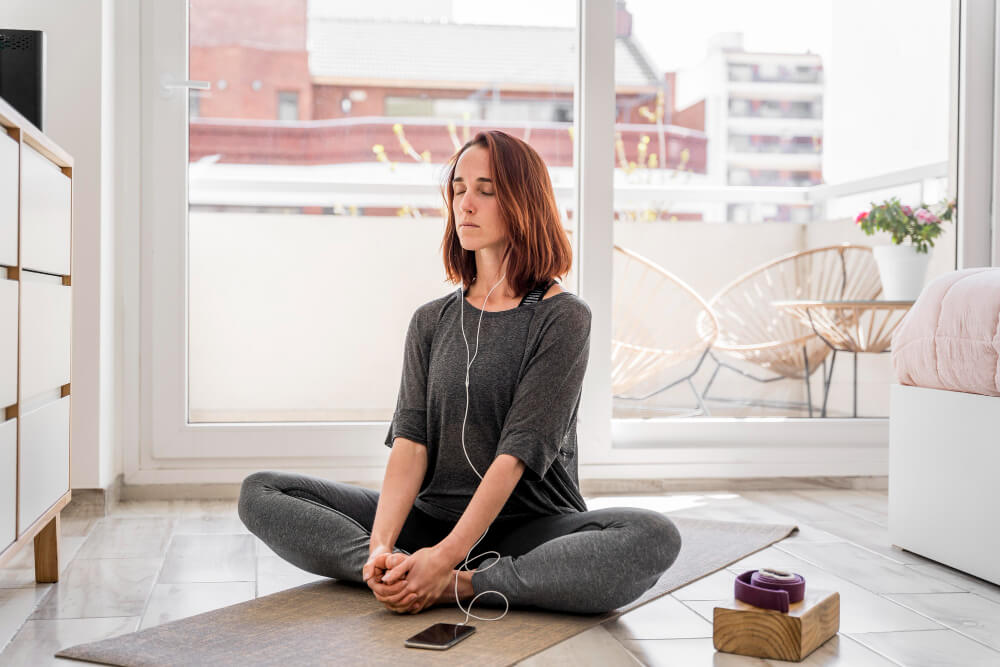
If You're in the Middle of a Panic Attack Right Now
A few things that can help while it’s happening:
- Put a name on it: Reminding yourself this is panic and not an actual emergency can soften its grip, even slightly.
- Slow everything down: A few rounds of slow, deliberate breathing- in for a few seconds, hold briefly, out a little longer- can help calm your body's response.
- Pull yourself into the room: Notice a handful of things around you: what you see, what you hear, what you can physically touch. It interrupts the spiral.
- Remember it will pass: Panic attacks are intense, but they're short- most ease up well within several minutes, even when it feels endless in the moment.
This won’t replace treatment, but it can make a hard moment easier to get through.
Treating the Loop, Not Just the Symptoms
Effective panic disorder treatment in Houston usually targets both sides of the cycle — the physical symptoms and the fear that builds around them.
Cognitive Behavioral Therapy (CBT)
A core part of treatment, often involving carefully and safely re-creating panic sensations in a controlled setting, so your brain learns they're not actually dangerous.
Medication
SSRIs are typically the first choice for panic medication in Houston, since they're generally well-tolerated with a low risk of serious side effects. Other options exist depending on your situation.
A Plan, Not Just a Prescription
Most people start noticing improvement within a few weeks, with more significant change over a few months- and your plan adjusts as you go.
Not Every Panic Attack Means You Have Panic Disorder
Plenty of people have a panic attack once or twice in their lives without ever developing panic disorder. Here’s the real difference:
Factor | A Single Panic Attack | Panic Disorder |
Frequency | Happens once, or rarely | Recurring, often unexpected attacks |
What follows | Passes without lasting worry | Followed by weeks of fearing the next one |
Behavior changes | Little to no change in daily habits | Avoiding places or situations “just in case” |
Typical trigger | Often tied to a clear stressor or scare | Can happen with no clear trigger at all |
Even if you don’t meet the full criteria for panic disorder, treatment can still help- panic attacks that go unaddressed often become more frequent, not less.

Finding the Right Panic Disorder Specialist in Houston
A few things that set Integrated Psychiatry apart as a panic disorder psychiatrist in Houston:
- We treat the avoidance and the fear, not just the attacks themselves
- Medication explained clearly, with realistic timelines- not vague promises
- The same provider over time, so your history doesn't get lost between visits
- In-person or telehealth, depending on what feels manageable for you right now
The Cycle Doesn't Stop on Its Own
Avoidance might feel like it’s keeping you safe, but it usually just makes the fear bigger over time. Treatment can actually break that pattern, instead of just helping you manage around it.
FAQs
1. How do I know if I have panic disorder or just had a panic attack once?
One panic attack on its own doesn’t automatically mean panic disorder. What usually points to a diagnosis is the pattern afterward- attacks that keep happening unexpectedly, and a growing fear or avoidance built around the possibility of another one.
2. Can panic attacks be mistaken for a heart problem?
Often, yes. A racing heart, tight chest, and trouble breathing can feel exactly like something’s wrong medically. Plenty of people go through an ER visit or a full cardiac workup before anyone connects it to panic.
3. Is medication necessary for panic disorder treatment?
Not for everyone. Some people do well with therapy alone, especially CBT. Others find medication helpful alongside it. Your provider will talk through what actually fits your situation rather than defaulting to one approach.
4. How long does panic attack treatment in Houston typically take to show results?
It varies. Some people start feeling a difference within a few weeks. For most, the more noticeable shift happens over a few months of consistent treatment.
5. Can panic disorder be treated through telehealth?
Yes- both in-person and telehealth appointments are available, so you can choose whichever feels more workable for you right now.