
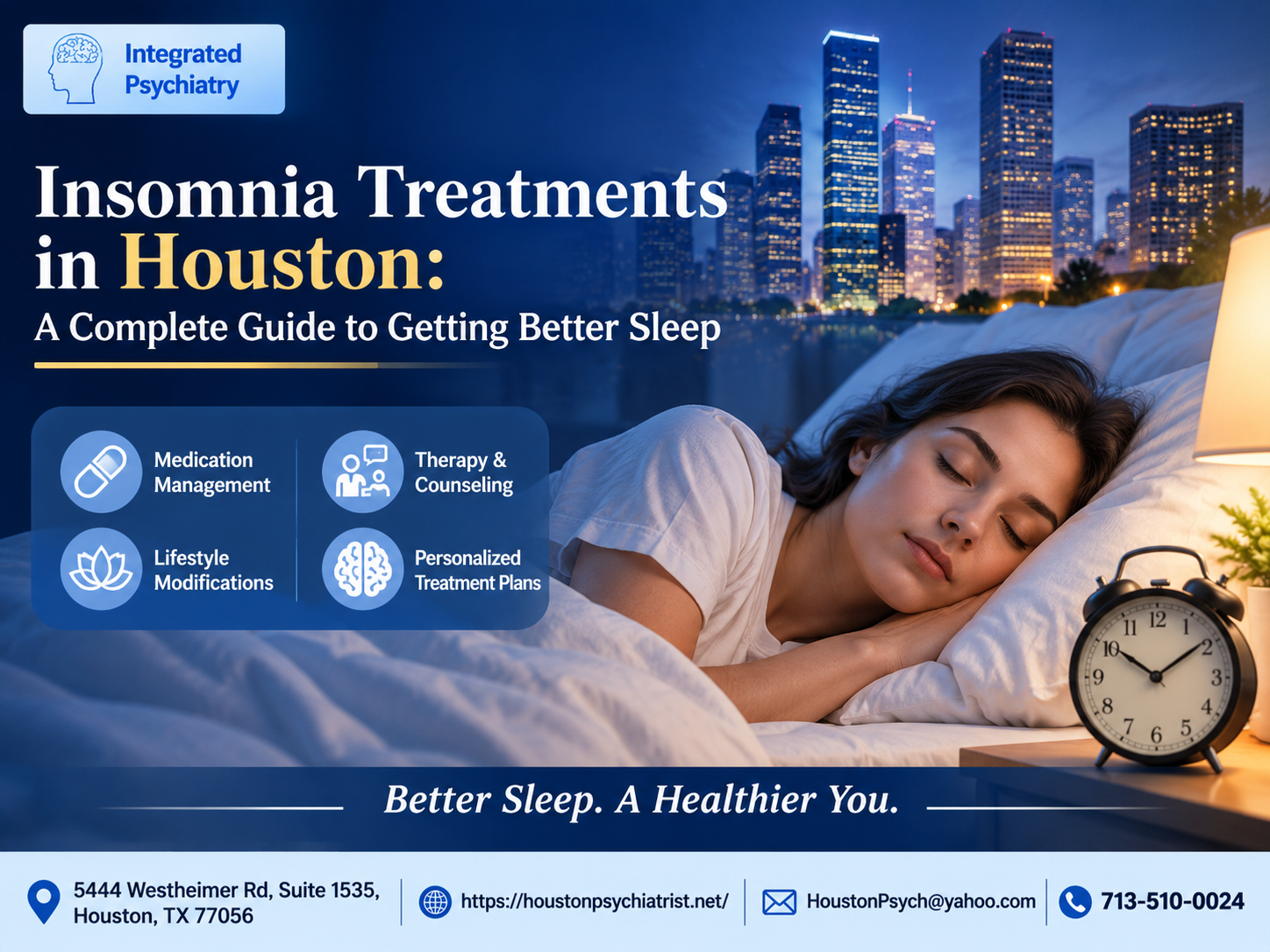
Insomnia is often characterized by tossing and turning at night, watching the clock tick away, and getting out of bed feeling tired. Although it is fairly normal to have occasional sleep issues, if you continue to experience problems falling or staying asleep, something else might be going on. Insomnia treatment could help you figure out what is affecting your sleep and how to get more sleep in the future. If you’re searching for insomnia treatments Houston, there are things you should know.
Why Is It So Difficult to Fix Insomnia on Your Own?
Going to bed earlier, cutting out caffeine, putting the phone down- these things aren’t wrong, but they don’t address why sleep problems persist in the first place.
Insomnia has a way of feeding itself. Poor sleep creates stress about not sleeping, which makes sleep harder, which creates more stress. With time, this process begins to affect the mood, concentration levels, energy, and the capability to handle normal daily demands.
The aspects that often perpetuate this cycle include the following:
- Persistent or chronic stress
- Worry and anxiety at bedtime
- Inconsistencies in sleeping patterns
- Disturbances in the routine
- Underlying mental health concerns
- Certain types of medication or illnesses
Professional help takes into account the patterns of behavior and does not focus on the development of habits as an addition to the underlying problem.
What Happens Inside the Brain When You Can’t Sleep?
Sleep problems aren’t always about behavior. The brain’s role in regulating sleep, alertness, and the ability to wind down is significant, and when stress or anxiety is present, that system doesn’t just switch off at bedtime.
The body’s stress response can stay active well into the night, making it genuinely difficult to relax even when you’re physically exhausted. Then there’s the anxiety that builds around sleep itself- the lying there thinking about how little time is left before the alarm, the mental calculation of how tired tomorrow is going to be. That kind of mental activity makes relaxation harder, not easier.
Effective treatment addresses both the sleep behaviors and the thought patterns keeping the brain switched on at night.
Which Approaches Are Used for Insomnia Treatment?
The treatment that would be recommended would depend on the cause of the insomnia, how bad the condition is, and the general state of the individual suffering from it. Insomnia treatments usually involve several treatments rather than just one single treatment method.
Some examples of treatment methods include:
Cognitive Behavioral Therapy for Insomnia (CBT-I)
A treatment method that works by recognizing the thoughts and behavior which are preventing sleep and replacing them with positive thought processes and actions. This is the most recommended long-term solution.
Improving sleeping habits
Regular routines, modifications to the bedroom environment, and modification of behaviors before bedtime that promote good sleep.
Relaxation techniques
Breathing techniques, mindfulness, and stress relief methods that help relax physically and mentally during the night.
Taking care of the root of the problem
Many times anxiety and depression are the causes of poor sleep. Treating those often improves sleep alongside everything else.
Medication management
In some cases, medication is part of the plan, but under professional guidance and usually alongside other approaches rather than as the whole answer.
The focus is on changes that hold up over time, not short-term fixes that stop working after a week.
How Can Better Sleep Improve Your Daily Life?
Sleep affects considerably more than how rested you feel in the morning. When insomnia improves, the knock-on effects show up across daily life in ways that are hard to miss.
Better sleep tends to bring:
- Sharper concentration and clearer decision-making
- More stable moods day to day
- Sustained energy rather than afternoon crashes
- Better performance at work or in study
- Greater capacity to handle stress without it compounding
- A general sense of being able to cope with things
For a lot of people, fixing sleep is what makes everything else feel more manageable again.
Is Your Insomnia Linked to Stress, Anxiety, or Mental Health?
Sleep and mental health are closely tied — in both directions. Stress and anxiety make it harder to switch off at night. But persistent sleep deprivation also makes anxiety worse, lowers mood, and reduces the capacity to manage emotional stress. The relationship runs both ways.
Insomnia is often connected to:
- Anxiety symptoms
- Depression
- Chronic stress
- Emotional difficulties
- Difficulty managing daily pressure over time
A mental health evaluation helps identify whether these factors are contributing to the sleep problem. Addressing what’s underneath tends to produce better and more lasting results than treating the sleep issue in isolation.
What Should You Know Before Starting Insomnia Treatment?
It takes time for the sleep patterns to adapt- months or years in the majority of cases- and therefore requires not only an appropriate strategy but also a bit of patience.
First of all, before beginning the treatment, it is useful to:
- Record sleep patterns and behaviors to have something specific to deal with
- Be open and honest with the provider about the situation
- Tell about medications and other health issues that might be relevant to the case
- Set reasonable expectations as to the process
- Attend follow-up visits even if the situation improves a little bit
Usually a flexible treatment program works better than a fixed one since all the patients react in different ways.
Finding Insomnia Treatment in Houston That Fits Your Needs
The right provider for insomnia treatment is one who takes the time to understand what’s actually driving the problem rather than offering the same plan to everyone who walks through the door.
When looking into insomnia treatment Houston TX, it’s worth finding care that includes:
- A proper mental health evaluation rather than a surface-level assessment
- Treatment recommendations built around the individual
- Evidence-based therapy approaches
- Support for any underlying emotional or mental health concerns
- Ongoing monitoring as treatment progresses
Integrated Psychiatry provides personalized psychiatric care focused on understanding what’s affecting sleep and building treatment strategies that fit the individual. For anyone looking for insomnia treatment in Texas or insomnia treatment near me, working with an experienced mental health provider makes a real difference in finding an approach that actually works long-term.
Your Path to Better Sleep Can Start Today
Chronic insomnia is frustrating in a way that’s hard to explain to people who haven’t experienced it. But it doesn’t have to stay that way. With the right evaluation and an insomnia treatments houston plan built around what’s actually going on, most people can meaningfully improve both their sleep and how they feel day to day.
Integrated Psychiatry approaches this with a focus on the connection between sleep, mental health, and overall wellbeing, because treating one without the other tends to produce limited results.
FAQs
1. What is the most effective treatment for insomnia?
CBT-I is considered the most effective long-term approach. Treatment may also include lifestyle changes, relaxation techniques, and medication where appropriate.
2. Can anxiety cause long-term insomnia?
Yes. Anxiety keeps the mind active when it needs to wind down, and that pattern can persist for a long time without proper support.
3. When should I seek professional help for insomnia?
If sleep problems have been going on for several weeks, or are affecting mood, energy, and daily functioning, professional support is worth pursuing.
4. Does insomnia treatment always require medication?
No. Many people improve significantly through therapy and behavioral strategies alone. Medication is considered for some individuals based on their specific situation.
5. How long does insomnia treatment take?
It varies depending on the cause and how someone responds. Consistent engagement with treatment and regular follow-up support better outcomes.